
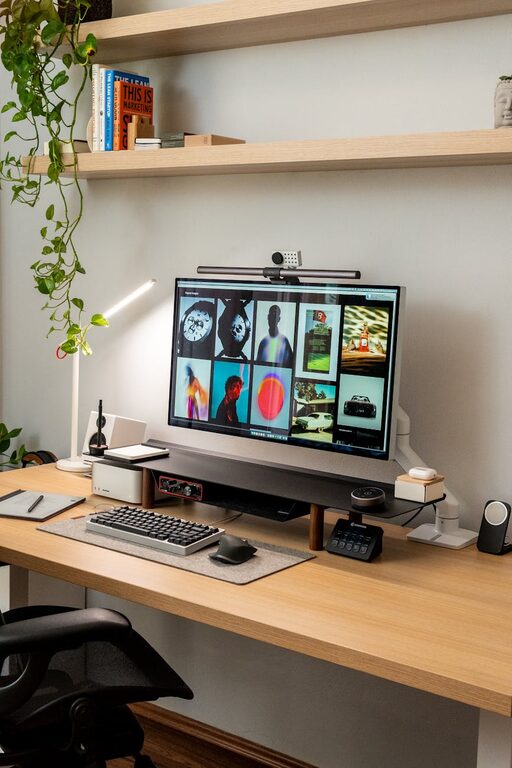
Creating a relaxing home workspace is more important than ever as many of us spend significant time working remotely. A calm and comfortable environment helps improve focus, reduce stress, and increase overall productivity. If your current workspace feels chaotic or uninspiring, it’s time for a refresh with some thoughtful changes. This guide will walk you through practical steps to design a home office that feels both relaxing and efficient.
Why a Relaxing Workspace Matters
When your workspace is cluttered or noisy, your concentration can suffer. Stress levels might rise, leading to fatigue and burnout. On the other hand, a well-organized and pleasant environment encourages a positive mindset and better work habits. By creating a space that promotes relaxation, you set yourself up for more productive and enjoyable work sessions.
Choosing the Right Location
Find a Quiet Spot
Select a location in your home that is as free from distractions as possible. If space allows, a separate room or a corner away from high-traffic zones can help minimize interruptions.
Consider Natural Light
Natural sunlight uplifts mood and energy, so choose a spot near a window if possible. If natural light is limited, invest in good quality lighting that mimics daylight.
Declutter and Organize
Clear the Surface
Keep your desk surface clean and free from unnecessary items. Only store essentials like your computer, notebook, and a few pens.
Storage Solutions
Use drawers, shelves, or storage boxes to keep papers and supplies neatly out of sight. Label containers for easy access and maintain tidiness.
Choose Comfortable and Functional Furniture
Invest in an Ergonomic Chair
A comfortable, supportive chair prevents back and neck pain and encourages better posture during long working hours.
Desk Height and Size
Pick a desk that fits your space but also allows you adequate room for your work materials without feeling cramped.
Add Calming Elements
Incorporate Plants
Greenery brings life to your workspace and helps reduce stress. Low-maintenance plants like succulents or pothos work well indoors.
Use Soothing Colors
Soft, neutral tones or pastels are known to promote calmness. Consider painting walls or adding accessories in these colors.
Personal Touches
Include a few personal items such as photos, art, or meaningful objects to make the space feel welcoming without cluttering it.
Minimize Noise and Distractions
Use Noise-Cancelling Tools
Headphones, white noise machines, or soundproofing can help block out disruptive sounds and keep you focused.
Manage Digital Interruptions
Turn off non-essential notifications and use apps that limit distractions from social media or unrelated websites.
Establish a Routine with Dedicated Work Hours
Even in a home environment, having set work hours helps separate professional time from personal life. Creating a routine signals your brain when it’s time to focus and when to relax.
Maintain Your Workspace Regularly
Spend a few minutes each day tidying up your desk and organizing papers. Regular maintenance keeps the space welcoming and functional.
—
By following these steps, you can transform your home workspace into a calming haven that nurtures concentration and well-being. Remember, the goal is to create a place where you look forward to working, making your professional duties feel less like a chore and more like an enjoyable part of your day.