
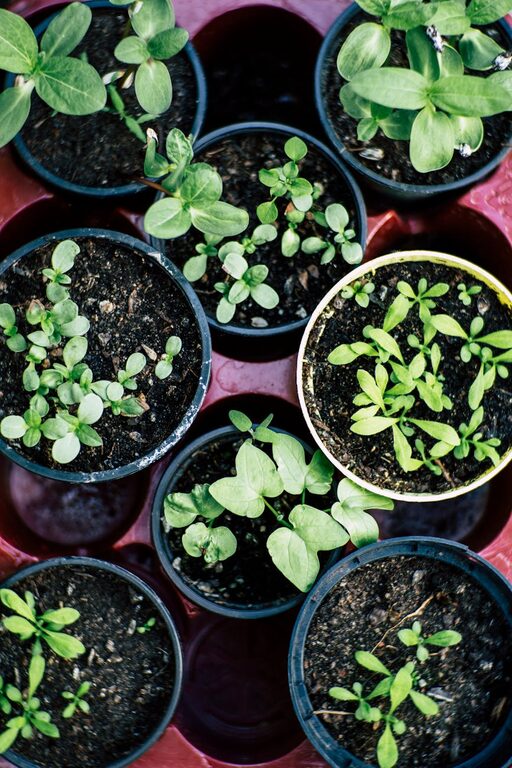
Growing your own herbs indoors is a rewarding and practical way to bring fresh flavors to your cooking while adding a touch of greenery to your living space. Whether you have a sunny windowsill, a balcony, or just a small corner, starting a small herb garden indoors is easier than you might think. This guide will walk you through the essentials to create and maintain a thriving indoor herb garden.
Why Start an Indoor Herb Garden?
Indoor herb gardens offer several benefits:
– Freshness: Pick herbs whenever you need them, ensuring the best flavor.
– Convenience: No need to run to the store for every recipe.
– Decoration: Herbs add natural beauty and a pleasant aroma to your home.
– Learning: Great for beginners and kids interested in gardening.
– Space-saving: Perfect for apartments or places without outdoor gardens.
Choosing the Right Herbs for Indoor Growth
Not all herbs thrive indoors, so selecting the right ones is important. Some popular and easy-to-grow indoor herbs include:
– Basil: Loves warmth and plenty of light.
– Mint: Grows quickly and is very hardy.
– Parsley: Prefers moderate light and regular watering.
– Chives: Need bright light and well-draining soil.
– Thyme: Drought-tolerant and thrives in sunny spots.
– Oregano: Prefers full sun but adapts well inside.
– Cilantro: Does well in cooler indoor spots with bright light.
Choose herbs based on your cooking preferences and the light conditions in your home.
Selecting Containers and Soil
Containers
Consider these points when selecting pots:
– Size: Start with 4-6 inch pots for small herbs.
– Material: Terracotta pots are breathable; plastic pots retain moisture.
– Drainage: Ensure pots have drainage holes to prevent waterlogging.
You can also use creative containers like mugs, repurposed jars, or small baskets lined with plastic.
Soil
Use a high-quality potting mix designed for indoor plants. Avoid garden soil, which may be too dense and carry pests. Look for soil that is:
– Well-draining
– Lightweight
– Rich in organic matter
You can also mix in a little perlite or sand to improve drainage.
Finding the Perfect Spot for Your Herbs
Most herbs need at least 6 hours of sunlight daily. Here’s how to set them up:
– Windowsills: South-facing windows offer the best light.
– Grow lights: For darker rooms, use LED grow lights for 12-16 hours a day.
– Rotating: Turn pots every few days to encourage even growth.
Avoid cold drafts and temperature fluctuations near windows.
Planting Your Herb Garden
You have two options:
- **Seeds**: More affordable but require patience and careful care.
- **Starter plants**: Herbs already growing that you can pot indoors immediately.
Planting Seeds
– Fill containers with potting mix, leaving about 1 inch of space from the top.
– Sprinkle seeds thinly and cover lightly with soil.
– Water gently to moisten the soil.
– Keep the soil consistently moist but not soggy.
– Use a humidity dome or plastic wrap to help seeds germinate faster.
Transplanting Starter Plants
– Gently remove plants from their nursery pots.
– Loosen roots slightly if they are tightly bound.
– Place the herb plant in your pot and fill around with soil.
– Water thoroughly.
Caring for Your Indoor Herbs
Watering
– Check soil moisture regularly; most herbs prefer slightly moist soil.
– Water when the top inch of soil feels dry.
– Avoid overwatering; soggy soil can cause root rot.
Feeding
– Use a balanced, water-soluble fertilizer every 4-6 weeks during active growth.
– Avoid over-fertilizing, which can reduce herb flavor.
Pruning
– Regularly harvest leaves to encourage bushier growth.
– Remove any dead or yellowing leaves promptly.
– Pinch off flowers to keep plants focused on leaf growth.
Troubleshooting Common Problems
– Yellow leaves: May indicate overwatering or lack of nutrients.
– Leggy plants: Usually due to insufficient light.
– Pests: Watch for aphids or spider mites; wipe leaves or use insecticidal soap.
– Wilting: Could be underwatering or root issues.
Harvesting and Using Your Herbs
Harvest herbs by snipping the outer leaves or stems with scissors. Avoid taking more than one-third of the plant at once. Freshly picked herbs can be used immediately or dried for long-term storage.
Tips for Best Flavor:
– Harvest herbs in the morning when oils are most concentrated.
– Rinse herbs briefly before use but avoid soaking.
Final Thoughts
Starting a small herb garden indoors is a fun and fulfilling project that can enhance your cooking and living environment. With a bit of patience and care, you can enjoy fresh, fragrant herbs all year round right from your kitchen window.
Happy gardening!